Source air conditioner can tap valve for Refrigeration, Cooling, and Gas Systems
Find 30 air conditioner can tap valve options from suppliers in China. Compare models like KQF and CTV series, materials such as brass, and certifications including ISO9001 and CE for refrigeration parts.
Key considerations
Products List








Comprehensive Sourcing Guide
Strategic Sourcing Guide for Air Conditioner Can Tap Valves
Understanding Product Specifications and Technical Variants
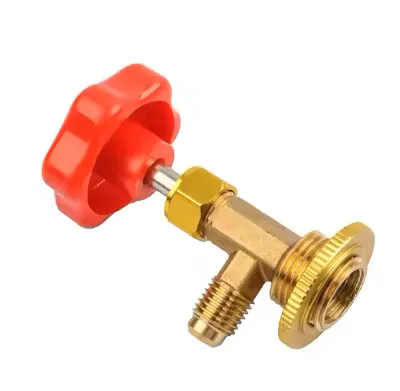
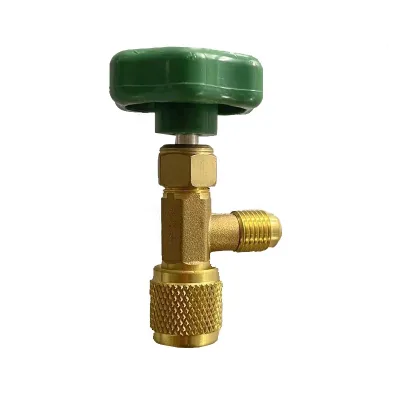
When sourcing air conditioner can tap valves, buyers must first navigate a complex landscape of technical specifications that vary significantly between manufacturers. The core product category encompasses various models designed for refrigeration applications, specifically targeting gases such as R12 and R134a. These valves are critical components in refrigeration systems, serving as the interface between the refrigerant cylinder and the service equipment.
The market presents a diverse array of model numbers, indicating different design iterations and functional capabilities. Buyers will encounter specific designations such as KQF-338, KQF, CTV-340, CTV-337, CTV-341, CTV-339, CTV-338, CH-341, CT-339A, CT-342A, CT-340A, CT-337, and CT-338A. Each of these model identifiers often correlates with specific thread types, connection standards, and physical dimensions. For instance, some variants feature an external thread connection mode, while others utilize a 1/4" SAE connection standard. The thread specifications are equally critical; observed data includes M14×1.25mm threads, which must align precisely with the service equipment to prevent leaks or fitting failures.
Material composition is another primary differentiator. While many units are constructed from brass, which offers durability and corrosion resistance, other descriptions highlight "Refrigeration Universal Stainless Can Tap Valve" options. The choice between brass and stainless steel often depends on the specific chemical compatibility required for the refrigerant gas being handled and the environmental conditions of the installation site. Furthermore, the cooling method is predominantly direct cooling, a standard requirement for these high-pressure applications. The valves are generally classified as single-seater types, designed for manual operation at ordinary temperatures, though some specifications note suitability for low-temperature environments. Understanding these granular differences is essential before initiating any procurement process, as a mismatch in thread type or material can render the component unusable.
Compliance, Certification, and Regulatory Standards
Navigating the regulatory landscape is a non-negotiable aspect of sourcing industrial refrigeration components. Buyers must verify that suppliers possess valid certifications that align with international safety and quality standards. The supply chain data indicates the presence of ISO9001 certification, which serves as a baseline for quality management systems. Additionally, CE certification is frequently cited, suggesting compliance with European health, safety, and environmental protection standards. Some product listings also reference a combination of CE, RoHS, and ISO standards, indicating a broader adherence to environmental restrictions on hazardous substances and general international quality protocols.
However, buyers must exercise caution when interpreting these certifications. The presence of a certification claim on a product page does not guarantee that every unit in a specific batch meets the standard. It is imperative to request current, verifiable certificates of conformity from the supplier rather than relying solely on marketing text. The "Standard" designation appears in multiple contexts, ranging from generic "Standard" packing to specific technical standards like "1/4"SAE" or "CE UL." This variation underscores the need for precise verification. For example, while "CE UL" is listed as a standard for certain models, the specific UL certification level and the scope of the CE marking must be confirmed against the actual product being purchased.
Furthermore, the machinery test report is a critical document that should be provided by the supplier. This report validates the performance of the valve under simulated operating conditions. Without this documentation, the buyer cannot independently verify claims regarding pressure ratings or leak integrity. The warranty period, often cited as one year, is another contractual element that relies on the supplier's ability to honor claims, which is often tied to their adherence to the aforementioned certifications. Buyers should treat these certifications as prerequisites for supplier qualification rather than as inherent product features that automatically apply to every SKU.
Cost Drivers and Pricing Dynamics
The pricing structure for air conditioner can tap valves is influenced by a combination of material costs, manufacturing complexity, and order volume. The observed market data reveals a wide price range, with unit costs fluctuating between $0.01 and $5.15 USD. This significant variance is not merely a reflection of brand prestige but is heavily driven by the specific model specifications and the materials used. A basic brass valve with a standard thread configuration will naturally fall on the lower end of this spectrum, whereas a stainless steel variant with specialized cooling capabilities or complex threading will command a higher price point.
Order volume plays a pivotal role in determining the final unit cost. The Minimum Order Quantity (MOQ) ranges from 1 to 1000 units, with specific listings indicating an MOQ of 500 pieces for certain models. Suppliers often structure their pricing tiers to incentivize larger orders, meaning the per-unit cost for a 500-piece order will likely be lower than for a 100-piece order. Buyers must calculate the total cost of ownership, which includes not only the unit price but also shipping, customs duties, and potential inventory holding costs.
Customization is another factor that can impact pricing. The availability of customization options, such as silk screen printing for logos or graphic designs, introduces additional processing steps and costs. While standard packaging like export standard bags, boxes, or cartons is common, specialized packaging requirements may incur extra fees. The brand name, which may be listed as "GBP or OE,Z," can also influence price, though buyers should verify if this refers to a specific manufacturer or a generic designation. Ultimately, the cost driver analysis must balance the technical requirements of the application against the budget constraints, ensuring that the selected valve meets all safety and performance criteria without unnecessary expenditure on unneeded features.
Typical Applications and Operational Context
Air conditioner can tap valves are primarily designed for use in refrigeration parts and systems, serving a critical function in the maintenance and servicing of cooling equipment. The application is explicitly defined as "Refrigeration Parts," and the valves are engineered to handle specific refrigerant gases, namely R12 and R134a. These gases are common in various cooling systems, ranging from commercial air conditioning units to industrial refrigeration plants. The ability of the valve to interface with these specific gases is a fundamental requirement, as using a valve not rated for the specific refrigerant can lead to catastrophic system failures or safety hazards.
The operational context for these valves is typically in service environments where technicians need to connect a refrigerant cylinder to a system for charging or recovery. The manual power requirement indicates that the valve is operated by hand, allowing for precise control over the flow of refrigerant. The temperature rating is generally for ordinary temperatures, though some models are specified for low-temperature applications, suggesting versatility in different climatic conditions or storage environments. The connection modes, such as external threads or 1/4" SAE, are designed to fit standard service hoses and equipment found in HVAC workshops.
The condition of the product is listed as "New," which is standard for industrial components, but buyers should ensure that the "New" status refers to the manufacturing condition and not just the packaging state. The "Good" quality attribute, while subjective, suggests a baseline expectation for functionality. In practical terms, the valve must provide a leak-tight seal and withstand the pressure fluctuations inherent in refrigeration cycles. The cooling method, identified as direct cooling, implies that the valve is designed to handle the thermal dynamics of the refrigerant directly without auxiliary cooling mechanisms. Understanding these application details helps buyers select the correct valve for their specific service needs, ensuring compatibility with their existing inventory and service protocols.
Supplier Evaluation and Quality Control Protocols
Evaluating potential suppliers requires a rigorous approach that goes beyond surface-level product descriptions. The origin of the products is frequently cited as Zhuji City, Zhejiang, or generally China, which are known manufacturing hubs for hardware and refrigeration components. While this geographic concentration suggests a mature supply chain, it also necessitates careful vetting to ensure quality consistency. Buyers should verify the supplier's production capabilities and their adherence to the claimed ISO9001 standards.
Quality control should be a central part of the procurement strategy. The provision of a machinery test report is a strong indicator of a supplier's commitment to quality, as it demonstrates that the product has undergone specific performance testing. Buyers should request these reports prior to placing large orders and verify that the test results align with the claimed specifications, such as pressure ratings and leak rates. The warranty period of one year is another metric of supplier confidence; however, the terms of this warranty must be clearly defined in the contract, including coverage for defects and the process for claims.
Packaging standards are also a proxy for quality control. The observed packaging options include export standard bags, boxes, cartons, and plastic shell card packaging. Proper packaging is essential to prevent damage during transit, especially for precision components like valves. Buyers should ensure that the packaging method protects the threads and seals from contamination or physical deformation. Additionally, the condition of the product upon arrival should be verified against the "New" status claim. Implementing a rigorous incoming quality inspection process is recommended to catch any discrepancies before the valves are integrated into the supply chain or used in service operations.
Long-Term Procurement and Supply Chain Resilience
Sourcing air conditioner can tap valves is not a one-time transaction but part of a long-term supply chain strategy. Buyers must consider the sustainability of the supply relationship, the reliability of the manufacturer, and the potential for future customization needs. The availability of customization, such as logo printing, suggests that suppliers are willing to adapt to buyer branding requirements, which can be beneficial for long-term partnerships. However, buyers should assess the lead times and production capacity to ensure that the supplier can meet demand fluctuations without compromising quality.
The standardization of components is crucial for long-term maintenance. By selecting valves that adhere to widely accepted standards like 1/4" SAE or specific thread types, buyers can ensure compatibility with a broad range of service equipment. This reduces the need for multiple specialized adapters and simplifies inventory management. Furthermore, the certification status of the supplier should be reviewed periodically to ensure continued compliance with evolving international regulations.
Inventory management is another consideration. With MOQs ranging from 1 to 1000 units, buyers must balance the cost benefits of bulk purchasing against the risk of inventory obsolescence. Given the specific nature of refrigerant gases, which may evolve over time due to environmental regulations, it is prudent to maintain a flexible inventory strategy. Buyers should also monitor the market for changes in material costs, such as brass or stainless steel prices, which could impact future pricing. Establishing a clear communication channel with the supplier regarding production schedules and potential supply chain disruptions will help mitigate risks and ensure a steady flow of critical components for refrigeration maintenance operations.
FAQs
What materials are used for air conditioner can tap valves?
Most units are constructed from brass, which offers durability and corrosion resistance. Some listings also highlight refrigeration universal stainless steel options depending on chemical compatibility requirements for the specific refrigerant gas being handled.
Which certifications do these valves typically hold?
Suppliers often provide ISO9001 certification as a baseline for quality management systems. Additionally, CE certification is frequently cited, suggesting compliance with European health and safety standards, though some listings reference a combination of CE, RoHS, and ISO standards.
How do pricing and MOQ vary for these valves?
Unit costs fluctuate between $0.01 and $5.15 USD depending on specifications and materials. Minimum Order Quantities range from 1 to 1000 units, with specific listings indicating an MOQ of 500 pieces for certain models to incentivize larger orders.
Can buyers customize the logo or packaging?
Customization is available for logo and graphic design, such as silk screen printing. Standard packaging includes export standard bags, boxes, and cartons, while specialized packaging requirements may incur extra fees depending on the supplier's capabilities.
What refrigerant gases are compatible with these valves?
These valves are engineered to handle specific refrigerant gases, namely R12 and R134a. Using a valve not rated for the specific refrigerant can lead to catastrophic system failures, so compatibility is a fundamental requirement for safety.
Where are these products typically manufactured?
The origin of the products is frequently cited as Zhuji City, Zhejiang, or generally China. These regions are known manufacturing hubs for hardware and refrigeration components, suggesting a mature supply chain for these industrial parts.